Blocked drains can be a huge headache for homeowners. Not only do they create unpleasant odors and potential health hazards, but they can also disrupt your daily routine and cause damage to your property. Fortunately, there are ways to prevent and unblock these pesky clogs. In this guide, we will go through the causes of blocked drains and provide you with some helpful tips on how to keep them unblocked. So, click here to learn more about keeping your drains flowing smoothly.
What Causes Blocked Drains?
Before we dive into the solutions, it’s important to understand what causes blocked drains in the first place. Some common culprits include hair, food scraps, grease, and soap scum buildup. These substances can accumulate and form clogs over time, causing your drains to slow down or completely block water from flowing through. Tree roots can also invade underground pipes, causing them to crack or collapse, leading to blockages.
Prevention is Key
“Prevention is better than cure.” This famous quote perfectly applies to maintaining your drains. By taking a few simple steps, you can prevent blockages from happening in the first place. Regularly clean your drains using natural methods such as pouring boiling water or a mixture of baking soda and vinegar down the drain. Also, make sure to use drain covers to catch any hair or food particles before they enter your pipes.
Another way to prevent blockages is to avoid pouring grease or oil down the drain. Instead, let it cool and dispose of it in a container or the trash. Grease solidifies and can cling to the inside of your pipes, causing a buildup that leads to clogs. It’s also essential to dispose of food scraps properly and avoid flushing anything other than toilet paper down your toilet. Small items or excessive amounts of toilet paper can cause blockages in your sewer line.
Unblock Your Drains
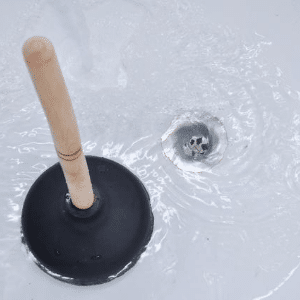
If you’re dealing with a stubborn blocked drain, there are a few methods you can try before calling a professional plumber. One effective way to unblock a drain is by using a plunger. This tool creates suction, which helps to dislodge the clog. Make sure to cover any overflow openings, such as in your sink or tub, with a wet cloth to ensure maximum suction.
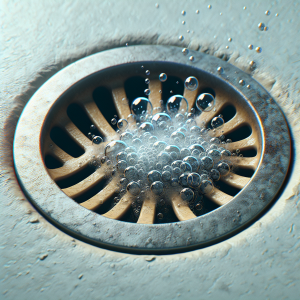
You can also use a common household ingredient like baking soda and vinegar to unclog your drains. Mix equal parts of baking soda and vinegar and pour it down the drain. The solution will foam up and help loosen any debris or hair that is causing the blockage. Let it sit for a few minutes, then follow up with hot water to flush away the clog.
If these methods don’t work, you can try using a plumbing snake or auger to manually remove the blockage. Insert the snake into the drain and rotate it until it reaches the clog. Once you feel resistance, pull the snake back out, and hopefully, the clog will come out with it.
Prevention is Ongoing
Even after successfully unblocking your drain, it’s important to continue maintaining it to prevent future clogs. Consider adding a drainage cleaner or enzyme-based product to your regular cleaning routine. These products contain natural enzymes that break down organic matter, preventing it from building up in your drains. Regularly monitoring and cleaning your gutters can also prevent water from backing up and causing damage to your drains.
When to Call a Professional
If all else fails, it’s best to call in a professional plumber. They have the tools and expertise to handle more severe blockages and underlying issues such as tree root intrusion or pipe damage. It’s also important to seek professional help if you notice multiple drains in your home are blocked, as this could indicate a more significant problem with your sewer line.
Blocked drains can be frustrating, but by taking preventive measures and knowing how to unblock them, you can keep your pipes flowing smoothly and avoid unnecessary stress and expenses. Remember, maintenance is key to keeping your drains blockage-free. So, click here for more helpful tips on maintaining and unblocking your drains.